
News items that expand the scope of EHHI's research reports about health and the environment
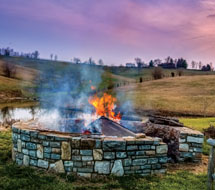
Read about wood burning in backyard fireplaces, fire pits, and chimineas. Recreational wood burning cause respiratory and cardiovascular problems. Wood smoke contains known carcinogens.

Crumb rubber made from recycled tires is used on athletic fields, playgrounds, and as garden mulch. Yale University researchers analyzed synthetic turf and found harmful chemicals and metals.

EHHI calls for tougher standards to regulate cellular technologies — especially for children and pregnant women.

Learn about risks to children and pets from lawn-care pesticides that are toxic to bees. Children, infants, and the unborn may be especially vulnerable to the adverse health effects of chemical pesticides.

Toxicological studies demonstrate that flame-retardants in foods and furnishings pose risks to fetuses, infants and children. Flame retardants are found in almost all consumer products.
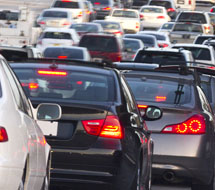
Components of vehicle exhaust are known to be cancer-causing. The government limits only a fraction of emissions from vehicle engines, Many dangerous pollutants are unregulated.
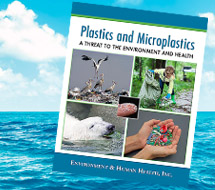
Plastic products may be harmful to children and reproductive health because they disrupt normal growth and development. Plastics are associated with many potential health risks.

Pregnant? Learn ways to reduce fetal exposures to harmful chemicals and products during those critical nine months. Find out what foods to avoid and what foods to enjoy during pregnancy.

Breast cancer afflicts a growing number of women of all ethnic backgrounds in the United States. Learn about rising incidence of cancer and awareness of risk factors.

A survey of homes in a Connecticut town showed that lawn and tree care pesticides can filter down through the soil and enter residential drinking water wells, even deep wells. EHHI urges testing of private wells.
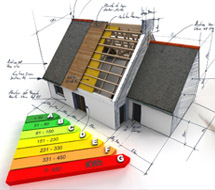
The LEED system is designed to promote energy efficiency. See where energy efficiency collides with human health. Find out whether green buildings protect human health from environmental hazards.
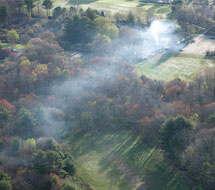
Find out how smoke from your neighbor's outdoor wood furnace may be affecting your health. Wood smoke is associated with respiratory problems and a range of harmful health effects.